
Anyone who has siblings knows that – sooner or later – there is going to be a fight. Whether it’s over the last piece of pizza, or who gets to use the computer first, arguments between brothers and sisters are common.
… But, what do you do when they turn into full-blown fights? Here are some tips for dealing with sibling fights!
Fights between siblings
Fights between siblings are a common occurrence – and siblings may argue or fight over a variety of issues such as toys, attention from parents, or household chores. Fights between siblings can range from minor disagreements to more serious physical altercations.
Fortunately, there are a number of steps that parents and caregivers can take to help reduce the frequency and severity of fights between siblings. These may include:
Fights between siblings cannot be conceived as aggressiveness

Photo by cottonbro studio
While it may seem like siblings are always fighting, it’s important to understand that these disagreements are not always indicative of aggression. Through these disagreements, siblings learn how to negotiate and compromise – skills that will be essential later in life. Furthermore, sibling fights provide an opportunity for children to practice handling their emotions in a constructive way.
… Of course, there should be limits to these fights, and aggression should not be tolerated. But as long as they remain within those bounds, sibling fights can actually be beneficial for children’s development.
Some psychologists have called this type of relationship pseudo aggressiveness between siblings.
It is a behavior that is not only typical in human beings – it appears among animals too! Dogs, cats, lions, and other mammals regardless of the region where they live, present this type of relationship.
They don’t intend to cause harm to the other. It is just a game that allows them to form skills for hunting and fighting. Human beings maintain, during childhood, a similar behavior between siblings or children with daily communication.
How to determine pseudo-aggressiveness?
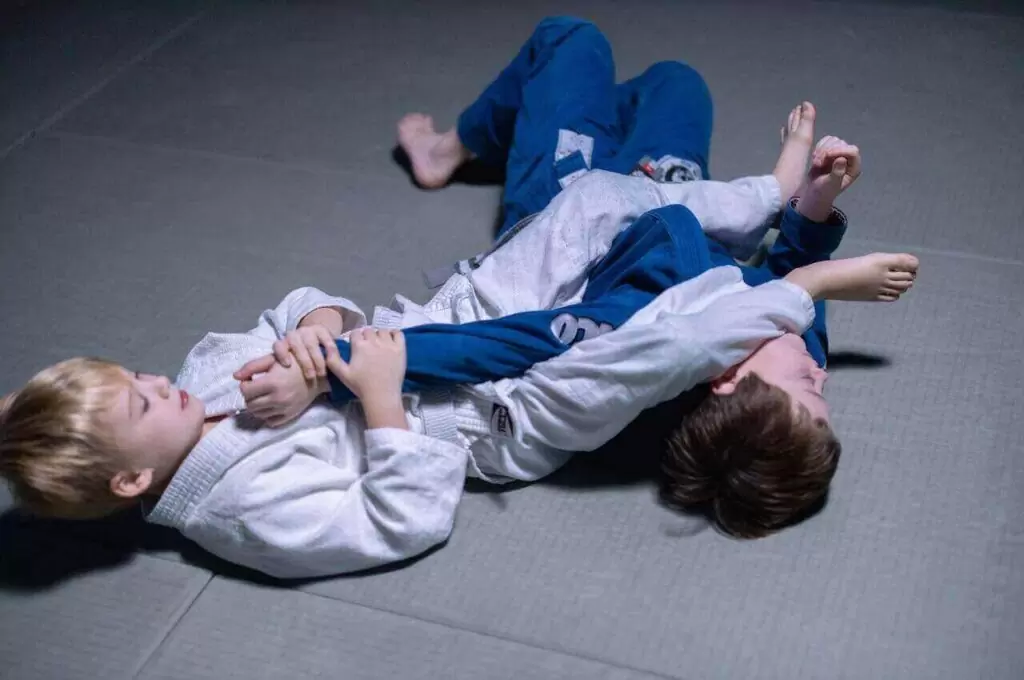
Photo by cottonbro studio
Unfortunately, there is no easy answer! But, there are some guidelines that can be helpful:
First, it is important to distinguish between aggression and assertiveness. Assertiveness is healthy and developmentally appropriate behavior such as standing up for oneself or saying “no” when necessary. Aggression, on the other hand, is harmful behavior that is intended to hurt or control another person. It can take many forms, such as hitting, kicking, biting, or verbal abuse.
If your child’s behavior falls into the latter category, it is important to seek professional help. However, even if it does not appear to be overly aggressive, it is still important to monitor your child’s behavior and look for warning signs such as difficulty controlling anger or a sudden change in mood or demeanor.
With time and patience, most children will outgrow disruptive behaviors, but if you have any concerns, don’t hesitate to seek help from a qualified professional. When parents complain of fights between siblings or children, they say: “my children fight over everything”, “they don’t stop fighting among themselves”, and “they get along badly.”
Just a few questions are enough to distinguish between real aggressiveness and pseudo aggressiveness
In aggressiveness, the child enjoys distance from the other. Children cannot be together. In pseudo-aggressiveness, the relationships between children are more positive than negative – and problems are solved quickly. In Pseudo-Aggressiveness:
How to deal with it?

Photo by freepik
Dealing with aggressiveness in children can be challenging for any parent. One of the most important things you can do is to provide consistent and firm limits on aggressive behavior. It is also important to teach your child how to express anger in more constructive ways. This might involve modeling healthy coping mechanisms yourself, such as walking away from a situation that is getting too heated.
Finally, it is also helpful to provide opportunities for your child to release energy in positive ways such as through physical activity or creative pursuits. By taking these steps, you can help your child to manage their aggression in a healthy and effective way.
Pseudo-aggressiveness should be stopped… But, it’s not an unnatural behavior

Photo by Gustavo Fring
Fights between siblings should be tolerated (with clear boundaries). It is just a natural behavior and children don’t fully understand our cultural backgrounds. So, we have to teach them to play and spend time with their siblings when they are just creating social habits.
However, no form of violence in adulthood is acceptable as normal behavior – and cannot be justified. Whoever uses it is only an abuser.
Featured image: Photo by ermias Tarekegn
