
When managing the digital assets of a deceased loved one, it may be necessary to deactivate the Facebook account because leaving an inactive Facebook profile can increase the likelihood of hacking attempts.
It can protect the digital legacy of your deceased loved one, bring you peace of mind and also help you through this grieving process.
… But, how can you delete a Facebook account when someone dies? How difficult is this procedure?
Why is it important to close your loved one’s account?

Photo by Kaboompics
When a loved one passes away, there are countless procedures to perform, and closing the Facebook account can be overlooked. However, deleting the account removes your loved one’s online identity and prevents identity theft and account hacks.
Additionally, dealing with grief and loss might be overwhelming, but closing your Facebook account can bring unexpected benefits to you such as:
… And what happens to a Facebook account when someone dies?

Photo by Kaboompics
Facebook provides two planning features for managing accounts of deceased individuals. Users can either opt to delete their account permanently or assign a legacy contact who will manage their memorialized Facebook account.
But when a person dies, Facebook accounts do not have major changes until the company is notified of the person’s death by a close family member. Therefore, it falls onto surviving family members to take responsibility for the digital legacy left behind by the deceased.
When a Facebook account is deleted, all its messages and posts are removed from public view and permanently removed. This is why it is a permanent process, and after closing the Facebook account there will be no going back.
The process of closing a Facebook account

Photo by Tobias Dziuba
To begin the process, it is recommended to make sure with any immediate family members if the deceased had expressed any preferences regarding their Facebook account. If the deceased had previously expressed their desire to have their Facebook account deleted, you should honor the request.
In any case, closing a Facebook account is a multi-step process, and Facebook has procedures in place to ensure this is done respectfully and securely.
Here’s a detailed step-by-step walkthrough:
1. Locate the correct help page:
Begin by navigating to Facebook’s Help Center. Look for the section dedicated to managing a deceased person’s account.
2. Special request for the deceased person’s account:
Facebook provides a form named “Special Request for Medically Incapacitated or Deceased Person’s Account.” You can find this form in the Help Center.
3. Completing the form:
The form requires specific information about the deceased person and yourself. You will need to provide:
4. Submit the Request:
Once all necessary information and documentation are uploaded, you can submit your request. Make sure all information is correct before doing this to prevent any delays.
5. Post-submission:
After you’ve submitted the form, Facebook will review the request. This process can take a variable amount of time, depending on the provided documentation’s clarity and completeness.
6. Confirmation:
Once Facebook has processed the request and closed the account, they usually send an email confirmation.
Another option: Memorialize the account
Individuals on Facebook have the freedom to choose a “Legacy Contact” who can manage their memorialized account in case of their passing. This feature allows users to post tributes and memories on a special profile designated for remembering moments shared with the individual who has passed away.
It works in the case that the deceased does not want their Facebook account to be permanently deleted after their death, and the profile will bear the signifier ‘Remembering.’
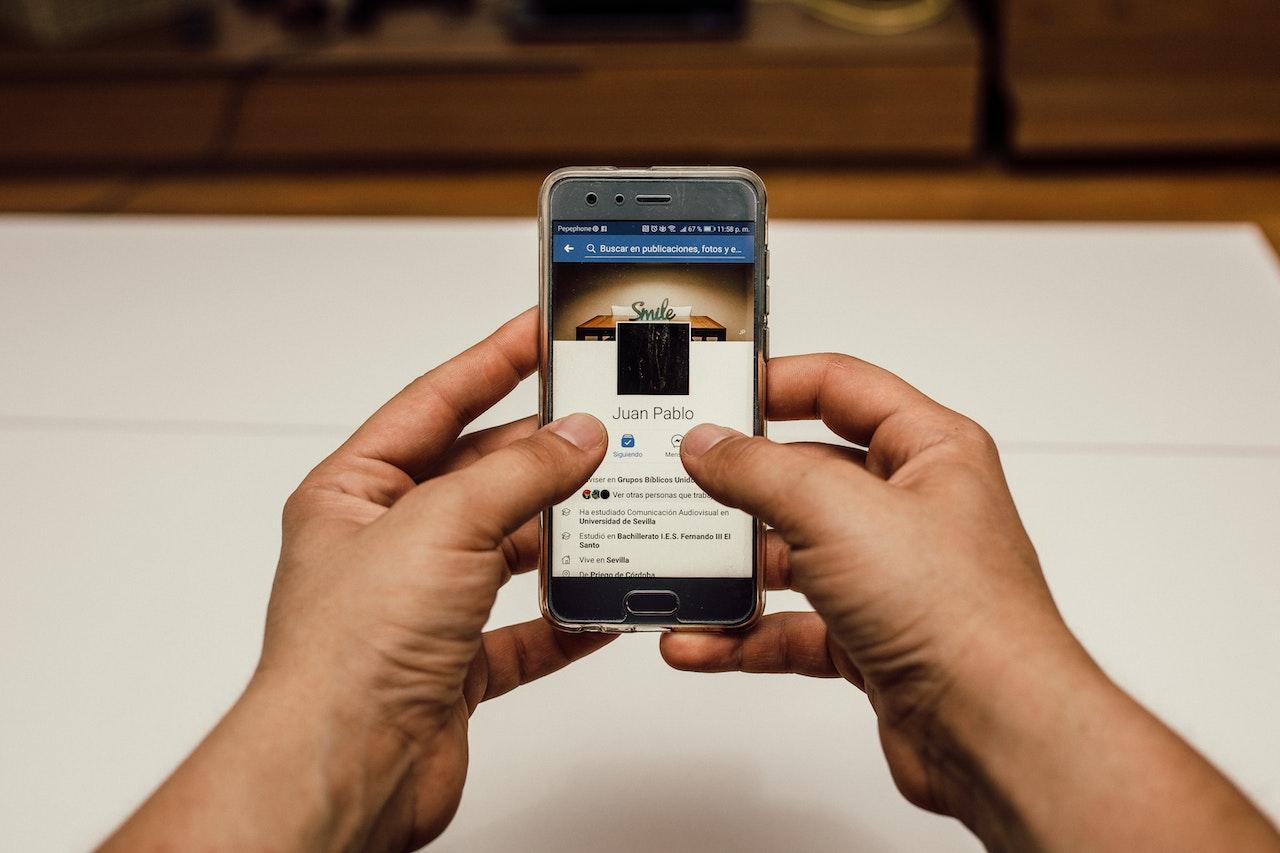
Photo by Juan Pablo Serrano Arenas
When a Facebook account is memorialized, family and friends can still access it. They can then share their memories with others by posting them on the timeline. However, these memorialized profiles are not viewable in public spaces nor can anyone log in. Though the late owner’s content remains visible to people they had previously shared it with.
FAQs
– What if I don’t have all the necessary information needed to submit a deactivation or memorialization request?
You can ask for help from a close relative who could know in depth the data of the deceased. If that option is not available, the Facebook Help Center can help you find a solution, and they may offer additional guidance or suggest alternative procedures for verification.
– Can someone continue to use the deceased person’s account if it’s not deactivated or memorialized?
Facebook prohibits the use of a deceased account by anyone. Upon receiving notification of the person’s passing, Facebook takes appropriate measures to secure the account from unauthorized access. The account then undergoes either memorialization or deactivation following an official request.
– How does Facebook protect the privacy of the deceased person’s account?
Facebook ensures the privacy of deceased individuals by implementing various measures. When an account is memorialized, it becomes locked and inaccessible to prevent any unauthorized access. Additionally, the previous privacy settings remain unchanged after the person’s death, allowing only those who could view their posts while alive to view them after memorialization.
Moreover, Facebook maintains strict confidentiality regarding login information, so that no one can access the private messages of the deceased and it could only happen in extreme cases of legal requests and police investigations.
– Is there a time limit to deactivate or memorialize a deceased person’s account?
No, there’s no specified time limit for requesting the deactivation or memorialization of a deceased person’s Facebook account. These requests can be made at any time following a person’s death.
– Can I download a copy of the deceased person’s Facebook data before deactivating or memorializing the account?
Facebook does not allow anyone to log into a deceased person’s account or download its content due to privacy laws and policies. However, Facebook has a feature called “Facebook Legacy Contact” where the account holder can nominate a person to look after their account when it’s memorialized.
The Legacy Contact can manage tribute posts on the profile, request the removal of the account, and download a copy of what the person shared on Facebook. However, the Legacy Contact can’t log into the account or see the deceased’s private messages.
Photo by Thought Catalog
