
Alaska is a land of ancient traditions – and a number of native Alaskan tribes have inhabited the territory for thousands of years. They have developed very deep and rich cultures that are a source of pride to all Alaskans, including a unique tribe that lives in the northernmost regions of the state: the Inupiaq.
The Inupiaq (or Iñupiat) are a group of Indigenous people who live in the Arctic regions of Alaska. They are known for their unique culture and traditions as well as their hunting and fishing skills. They have a deep connection to the land and sea, and continue to practice their traditional way of life today to preserve the traditions of their ancestors despite the pressures of modern life.
What are the Inupiaq traditions?
The Inupiaq people have unique traditions. They have historically relied on hunting and fishing for their livelihood, and they continue to do so today. Their way of life and beliefs are closely linked to the land and the animals that live there.
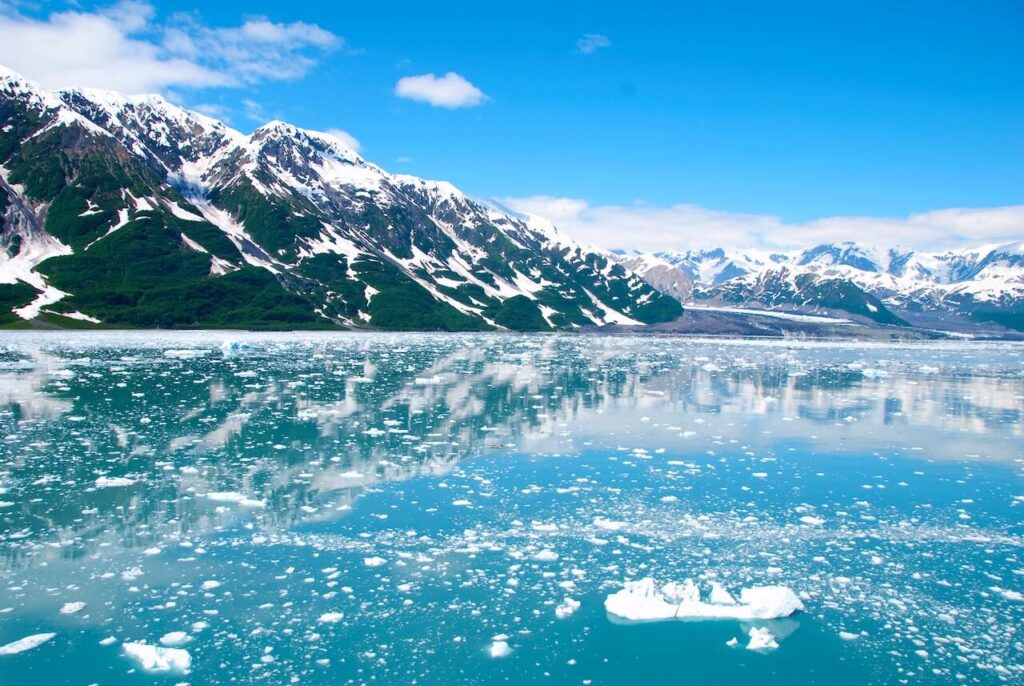
Photo by Pixabay
The uncertainty of the future, the fear of hunting success, and the ever-present threat of starvation in one of the most severe climates on the planet pushed the Inupiaq to adopt a wide range of customs and rituals deeply associated with their economic endeavors. That’s why their survival strategies and rules of co-existence with the wild were aimed at creating a perfect equilibrium between the natural world, the spiritual realm, and their economic activities.
As a result, in the Inupiaq culture, the animal kingdom enjoys the utmost admiration and respect – and the Inupiaq rituals always consider the union of nature and humankind in almost perfect harmony. For example, the Inupiaq believe that certain animals such as whales, are spirit beings that can guide them in their lives. They also have a rich tradition of storytelling. Tales about animals and spirits are passed down from generation to generation – and they play an important role in teaching young people about their culture and history. Their stories often feature animal characters, and they frequently deal with themes such as hunting, survival, and respect for the natural world.
Hunting is an important part of Inupiaq culture (despite being regulated by tribal law). Only those with the proper permits are allowed to hunt – and all hunts must be conducted respectfully. The Inupiaq believe that animals are gifts from spirits, and by hunting responsibly, they hope to maintain their traditional way of life for generations.
They are well-known for their efforts to coexist peacefully with polar bears. The Inupiaq see polar bears not as dangerous predators, but as an essential part of their ecosystem. For these reasons, they have established a number of traditions and protocols to show respect for these animals. When a polar bear is seen near a village, the Inupiaq avoid going out on the ice, and if a polar bear does enter a village, everyone will stay calm and allow it to move through without incident.
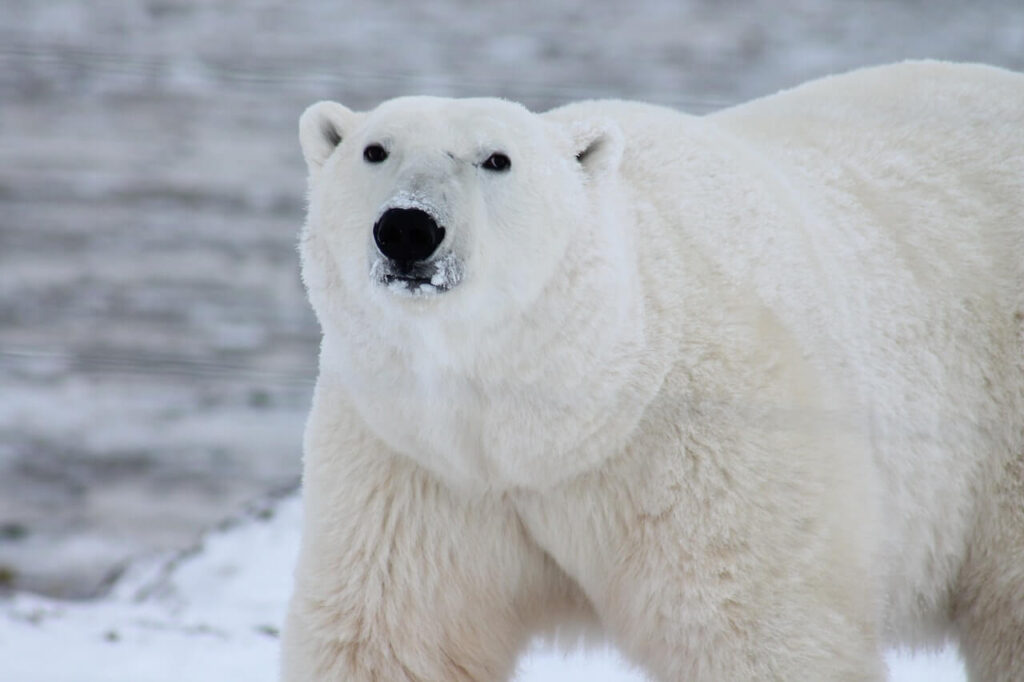
Photo by Pixabay
By maintaining their close connection to the land and its creatures, they hope to keep their unique culture alive for future generations with the animals and environmental conditions that have distinguished their people for thousands of years.
The interesting Inupiaq language
The Inupiaq language is a member of the Inuit-Yupik-Unangan family of languages, and it is one of the few indigenous languages that is still spoken today. Unfortunately, many languages related to those of the Inupiaq have vanished over the course of history. There are estimated to be around 2,144 speakers of the Iñupiat language, most of whom are elders. Therefore, the Inupiaq language is threatened despite multiple conservation measures by Alaskan authorities and communities to preserve it.
The language has two main dialects: Seward Peninsula Inupiaq and North Alaskan Inupiaq.
While there are some differences between the dialects, they are mutually intelligible. Common words in Inupiaq include puktaak (iceberg), kannik (snowflake), and nauchiak (flower).
In recent years, there has been a renewed interest in learning and teaching the Inupiaq language to keep it alive for future generations and to record its prominence in the Alaskan culture. The Iñupiat Heritage Center in Barrow, Alaska offers classes in the Inupiaq language – and there are also some online resources available for those who want to learn more about this unique culture.
However, Inupiaq is not an easy language to learn, especially for English speakers. It has a complex grammatical structure, and its vocabulary is largely derived from Inuit lore and traditions. However, with dedication and commitment, it is possible for anyone to learn Inupiaq – and their people are delighted to help anyone learn more about them and share their worldview.
Hospitality is deeply rooted in the Inupiaq culture
Hospitality is a very important value in the Inupiaq culture, and it is something that is extended to both friends and strangers. The Inupiaq believe that everyone should be treated with respect and that no one should ever go hungry or without shelter. This is a distinctive feature that Alaskan people have in common due to the harsh climate conditions in which they live.
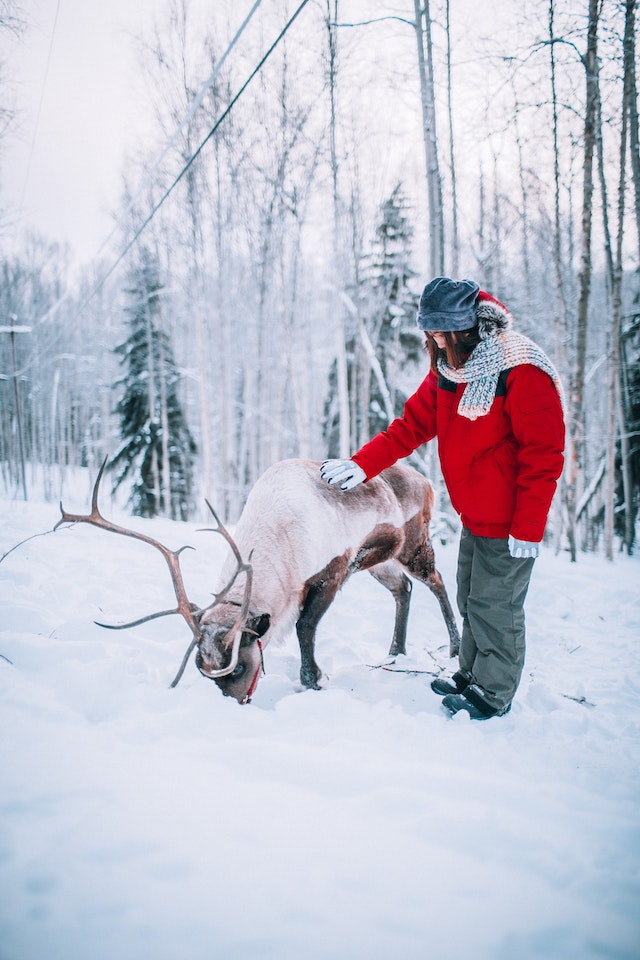
Photo by Barry Tan
In fact, the Inupiaq people have a long history of living in harmony with their fellow Americans. They are famous for their generosity and they often go out of their way to help others. The Inupiaq frequently share food with other people and help newcomers to the area get settled. They also have a strong tradition of cooperation and mutual aid, and they are always willing to lend a helping hand.
In any case, these remote areas of the American territory are rarely visited and the Inupiat live in small villages along the Arctic coast. Their villages are typically small, with only a handful of families living in each one. The houses in an Inupiat village are usually made from wood and seal skin and are built on stilts to protect against flooding. Inupiat villages are largely self-sufficient, and the villagers often hunt and fish together.
However, they also trade with other villages for goods that they cannot produce themselves. Today, there are around 13,500 Inupiaq people living in Alaska.
But… The Inupiaq people are also facing challenges
The Inupiaq still live according to their traditional way of life. For centuries, they have been able to adapt to harsh conditions, without altering their environment and still feel an essential part of it. Nevertheless, the arrival of new influences is threatening the fragile balance and might transform the traditional culture and ancestral beliefs of the Inupiaq.
Today, climate change is a major threat to the Inupiaq way of life. The Arctic is warming four times faster than the rest of the world, and this has led to drastic changes in the environment. The sea ice is melting, which makes it more difficult for them to hunt and fish. They are also at risk of losing their homes and villages as the permafrost melts and the coastline erodes.
Economic development is another challenge the Inupiaq people are facing. The oil and gas industry has brought jobs and money to Alaska, but it has also had a negative impact on the environment. The Inupiaq people are caught in the middle, as they try to balance their need for economic development with their need to protect the land and sea.
Cultural preservation is also a key concern for the Inupiaq people. As the world changes, they are working to ensure that their language, culture, and traditions are passed down to future generations.
Despite these challenges, the Inupiaq remains a strong and vibrant community with a rich culture and history ready to be discovered and offer the best of itself to each of its visitors. Its remote location next to the Arctic Circle is just one more allure of a culture that has been shaped by millennia of hard work and a close connection with nature.
They are the living flesh and blood of Alaskan traditions – and they will probably continue to thrive in the Arctic for generations to come.
Featured image: Inupiat Family from Noatak, Alaska, 1929, Edward S. Curtis
